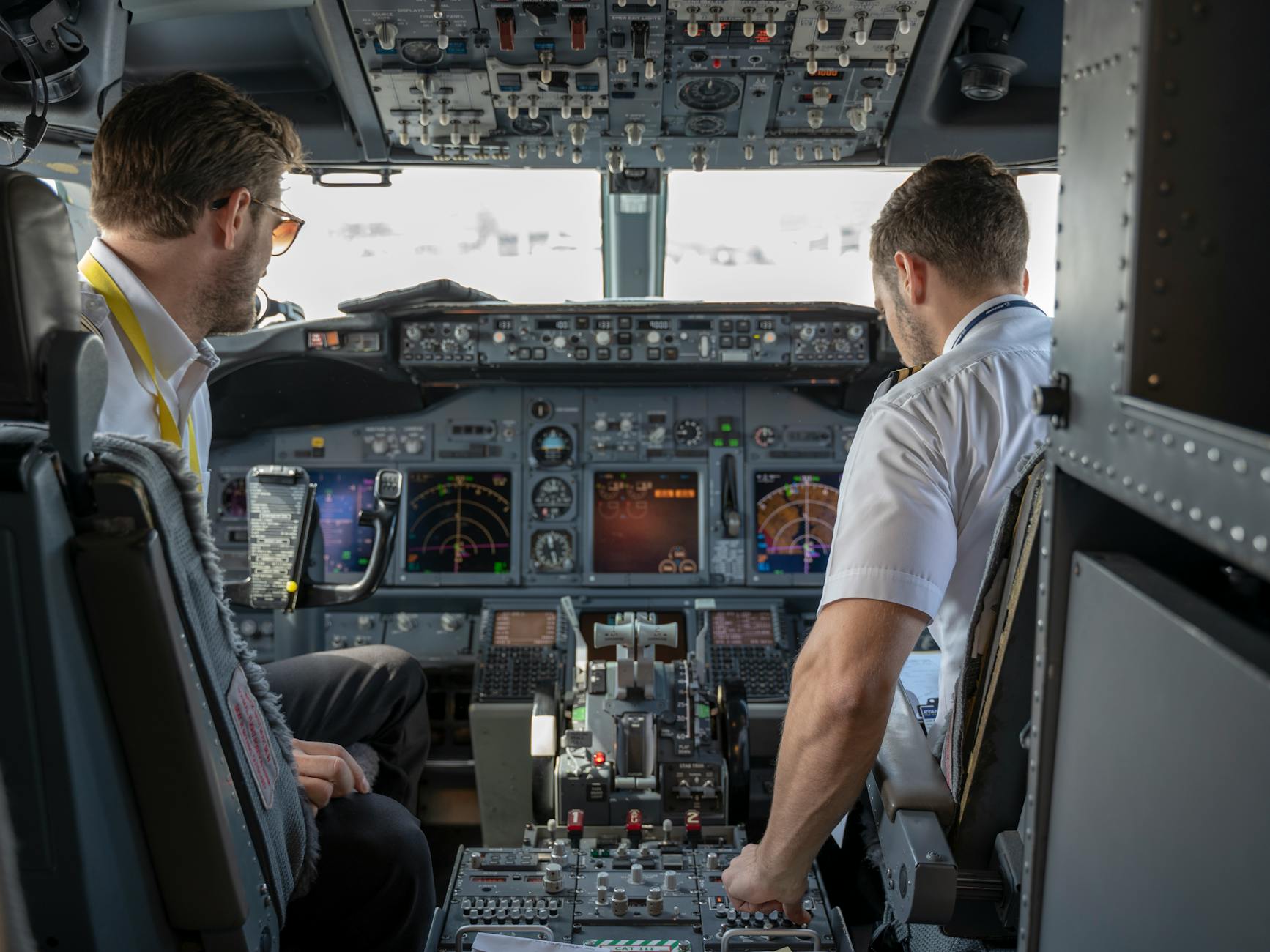

Crew Resource Management (CRM) has become a cornerstone of modern aviation safety, evolving significantly from its inception in the late 20th century to its current status in the 21st century. This evolution reflects the aviation industry’s growing understanding of human factors and the critical role they play in preventing accidents and enhancing operational efficiency.
The Birth of CRM in the 1970s
The concept of CRM emerged in the 1970s, driven by a series of high-profile accidents that highlighted the need for improved communication and teamwork among flight crews. The 1977 Tenerife airport disaster stands out as a pivotal moment in this evolution.
The 1977 Tenerife Disaster: A Catalyst for Change
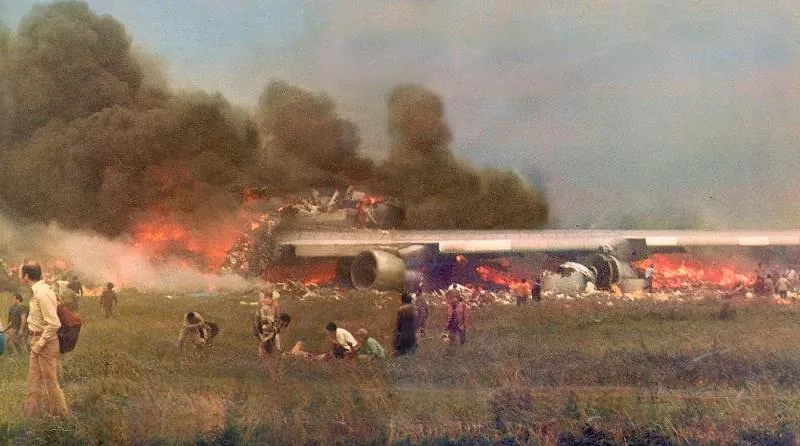
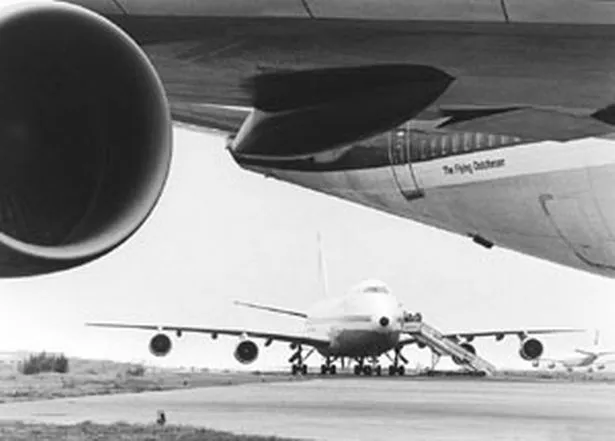
On March 27, 1977, the deadliest aviation accident in history occurred at Los Rodeos Airport (now Tenerife North Airport) on the Spanish Canary Island of Tenerife. Two Boeing 747 jumbo jets, operated by KLM and Pan American World Airways (Pan Am), collided on the runway in dense fog, resulting in 583 fatalities. This catastrophic event underscored the critical failures in cockpit communication and decision-making processes, which CRM would later aim to address.
Several factors contributed to the Tenerife disaster:
- Communication Breakdown: Misunderstandings between the KLM and Pan Am crews, as well as miscommunications with air traffic control (ATC), played a significant role. The KLM captain mistakenly believed he had been cleared for takeoff, while the Pan Am aircraft was still taxiing on the same runway.
- Cockpit Hierarchy: The traditional hierarchical structure in the cockpit hindered effective communication. The KLM first officer and flight engineer hesitated to challenge the captain’s decision to take off, despite their concerns.
- Environmental Stressors: Poor visibility due to fog, combined with the urgency created by delays and a desire to meet duty time regulations, created a high-stress environment that impaired judgment.
- Standard Operating Procedures: There were inconsistencies in the use of standard phraseology between the pilots and ATC, leading to critical misunderstandings.
In response to the Tenerife disaster, the aviation industry recognised the need for a systemic change in how flight crews operated. The focus shifted to improving cockpit communication, teamwork, and decision-making, laying the foundation for CRM.
CRM in the 1980s: Formalisation and Adoption
The 1980s saw the formal adoption of CRM training programs by airlines around the world. United Airlines was one of the first to implement a comprehensive CRM training program in 1981. This program emphasised the importance of interpersonal communication, teamwork, and decision-making skills. It marked a significant shift from the traditional hierarchical cockpit culture, promoting a more collaborative environment where junior crew members were encouraged to speak up.
The Federal Aviation Administration (FAA) also played a crucial role in promoting CRM during this decade. In 1987, the FAA issued an advisory circular recommending CRM training for all air carriers. This move underscored the recognition of CRM as an essential component of aviation safety.
The 1990s: Expansion and Evolution
CRM continued to evolve in the 1990s, with training programs becoming more sophisticated and comprehensive. The scope of CRM expanded beyond the cockpit to include cabin crew, maintenance personnel, and air traffic controllers. This holistic approach aimed to ensure that all members of the aviation team could effectively manage resources and communicate during routine operations and emergencies.
One of the significant advancements in this period was the integration of CRM into the regulatory framework. In 1995, the FAA mandated CRM training for all Part 121 operators, ensuring that CRM principles were embedded in the training curricula of major airlines. This regulatory backing helped standardise CRM practices across the industry.
CRM in the 2000s: Technological Integration and Global Adoption
The early 2000s saw further advancements in CRM, driven by technological innovations and a deeper understanding of human factors. The introduction of advanced simulators allowed for more realistic training scenarios, enabling crews to practice CRM skills in a controlled environment. These simulations often included high-stress scenarios, helping crews develop the resilience and decision-making skills needed in real-world situations.
CRM training also became more data-driven, with airlines leveraging flight data monitoring (FDM) systems to identify potential human factors issues and tailor training programs accordingly. This proactive approach allowed for continuous improvement in CRM practices, further enhancing safety and operational efficiency.
Globally, CRM gained widespread acceptance, with international aviation organisations such as the International Civil Aviation Organization (ICAO) and the International Air Transport Association (IATA) promoting CRM standards. This global adoption ensured that CRM principles were consistently applied across different regions and cultures, contributing to a significant reduction in aviation accidents worldwide.
CRM in the 2010s and Beyond: Embracing Cultural and Organisational Factors
In the 2010s, CRM training began to place greater emphasis on cultural and organisational factors. Studies showed that cultural differences could impact communication styles and decision-making processes, highlighting the need for CRM programs to be adaptable and culturally sensitive.
Airlines began to incorporate cultural training into their CRM programs, helping crews navigate and respect cultural differences within multinational teams. Additionally, there was a growing recognition of the importance of organisational culture in shaping CRM practices. Airlines with strong safety cultures, where open communication and continuous learning were encouraged, saw better CRM outcomes.
The concept of Threat and Error Management (TEM) also became integral to CRM training. TEM focuses on identifying and managing potential threats and errors before they escalate into serious incidents. This proactive approach aligns closely with CRM principles, emphasising the importance of anticipation, recognition, and mitigation of risks.
CRM Today: Adapting to New Challenges
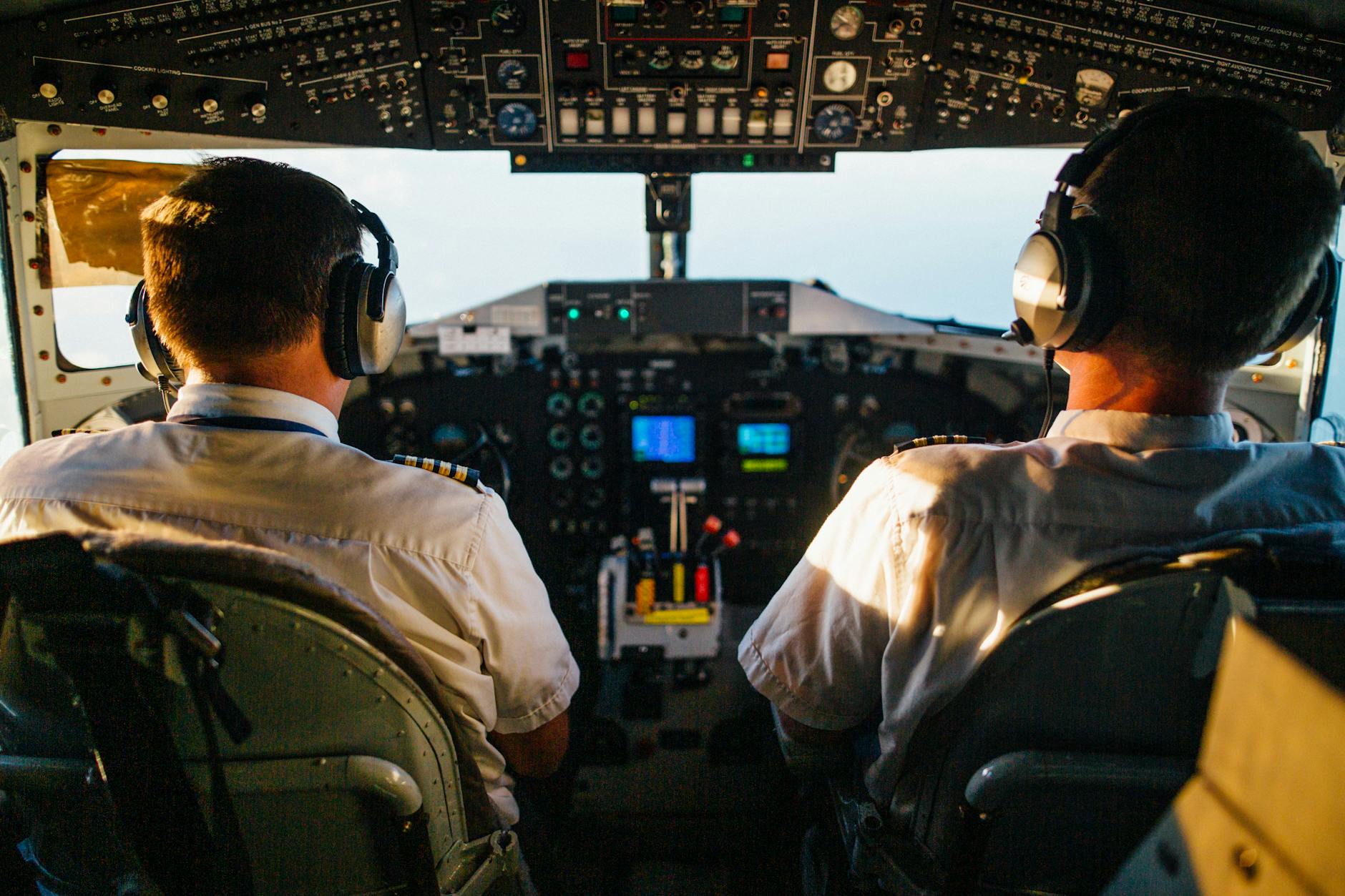
As we move further into the 21st century, CRM continues to adapt to new challenges in the aviation industry. The rise of automation and increasingly sophisticated aircraft systems have introduced new dynamics in the cockpit. While automation has undoubtedly improved safety and efficiency, it has also shifted the role of pilots from active controllers to system managers. This shift necessitates a re-evaluation of CRM principles to ensure that pilots remain engaged and can effectively manage automated systems.
Moreover, the COVID-19 pandemic has posed unprecedented challenges for the aviation industry, including the need for enhanced health and safety protocols. CRM training has evolved to address these new realities, emphasising the importance of clear communication and teamwork in maintaining safety during a global health crisis.
Crew Resource Management has come a long way since its inception in the 1970s. From its early focus on cockpit communication to its current emphasis on cultural and organisational factors, CRM has continuously evolved to meet the changing needs of the aviation industry. As technology and global dynamics continue to shape the future of aviation, CRM will remain a critical component in ensuring safety and efficiency, demonstrating the enduring importance of human factors in the skies.
Join the discussion