

As pilots, we are trained to handle stressful situations with grace and composure, requiring us to think on our feet and make split-second decisions. However, in the midst of all this pressure, it’s easy to overlook the importance of simplicity.
One of my favourite pilot quotes comes from Chesley “Sully” Sullenberger, the captain who famously landed US Airways Flight 1549 on the Hudson River in 2009. When asked about his thought process during the emergency landing, he said,
“I knew that I had to focus on what I could control, and not worry about what I couldn’t.”
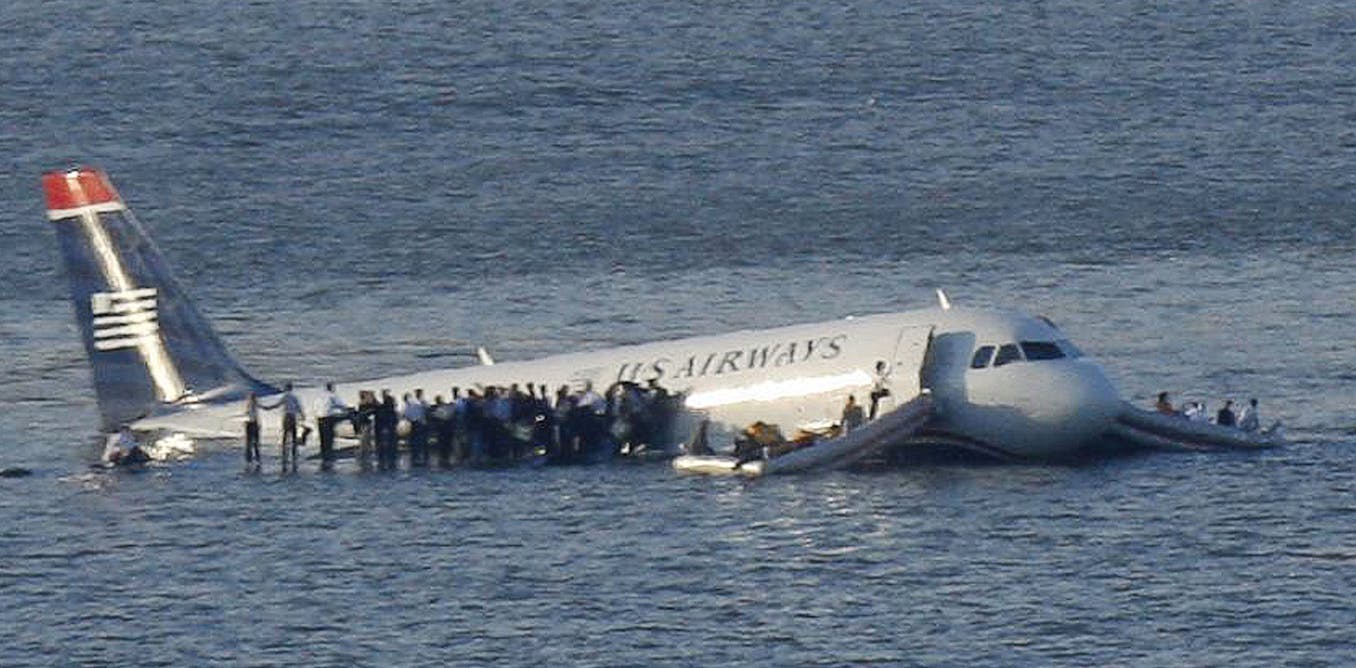
This quote embodies the essence of keeping things simple as a pilot. We can’t control everything that happens during a flight – weather, equipment failures, air traffic congestion – but we can control our reactions to these events. By focusing on what we can control, we can make our lives a lot easier and avoid unnecessary stress.
One of the biggest challenges that pilots face is dealing with difficult people. Whether it’s a colleague who is constantly pushing our buttons or a passenger who is being unruly, these situations can quickly escalate and become overwhelming. But by remembering the importance of keeping things simple, we can defuse these situations before they get out of hand.
For example, if a passenger is causing a disturbance on the plane, our first instinct might be to confront them and demand that they behave. But this approach is likely to only make things worse. Instead, we should focus on calming the situation and finding a solution that works for everyone.
Similarly, if we’re working with a difficult coworker or boss, we should try to see things from their perspective. Maybe they’re under a lot of stress or dealing with personal issues that are affecting their behaviour. By showing empathy and understanding, we can build a better working relationship and make our jobs a lot easier.
The key to keeping things simple as a pilot is to remember that our duties are the sum of individual acts. Each task, no matter how small, is important and should be completed methodically. By doing so, we can avoid getting bogged down in unnecessary details and focus on what really matters – the safety of our passengers and crew.
Another way to keep things simple as a pilot is to prioritise our tasks. We have a lot of responsibilities during a flight, and it’s easy to get overwhelmed. But by breaking down our tasks into manageable chunks and focusing on the most important ones first, we can avoid feeling like we’re drowning in work.
Finally, it’s important to remember that sometimes the simplest solution is the best one. We don’t always need to come up with complex strategies to solve problems. Sometimes, all we need to do is take a step back and look at things objectively. By focusing on the simple, appropriate actions that will lead us to virtue, we can make our lives a lot easier and more fulfilling.
Keeping things simple is an important skill for pilots. By focusing on what we can control, defusing difficult situations, completing tasks methodically, prioritising our responsibilities, and embracing the simplest solutions, we can make our lives a lot easier and more rewarding. The concept of “appropriate action,” which has its roots in Greek philosophy, can be a valuable tool in a pilot’s toolbox for making split-second decisions in high-pressure situations. As Sully Sullenberger said, “I knew that I had to focus on what I could control, and not worry about what I couldn’t.”
Let’s all strive to do the same.