


Imagine this.
You’re a small puppy, full of curiosity and boundless energy, trotting along a dusty old road. The late afternoon sun slants low, painting the world in amber and gold. Dust rises in gentle swirls with every step of the creaking wooden cart beside you. The leather tether around your chest is loose enough to let you wander a little, sniff at a tuft of grass or chase a dancing moth, yet you remain connected. The cart moves forward at its own pace, pulled by a patient old horse that doesn’t seem to notice your antics.
You have two choices on this road.
You can trot alongside the cart, ears bouncing, tail wagging, tongue lolling in the sun. You can delight in the warmth of the light, the rhythm of the horse’s hooves, the simple fact of being alive on this quiet lane.
Or you can resist. You can plant your paws, strain against the tether, bark and dig in. The cart will not stop. The horse will not turn around. And you will move down the road either way—just now with dirt in your teeth and paws scraped raw.
This little truth, wrapped in the picture of a puppy and an old cart, is one of life’s richest lessons. The road ahead has a direction of its own. Sometimes we get to choose which field to explore, which tuft of grass to sniff. But the cart—the bigger movement of life—rolls on, regardless of whether we’re wagging our tails or yelping in protest.
The Road We Walk as Pilots
If you fly for a living, you already know this road.
Life as a pilot moves to the rhythm of schedules, weather reports, rosters, and checks. You can prepare, study, and rest smartly—but some elements simply won’t bend to your will. A headwind stretches a flight, a thunderstorm reroutes your best‑laid plans, and a last‑minute callout or aircraft change can ripple through the day—or night, for those flying freight—you thought you had under control.
There’s a kind of freedom in flying, but there’s also a tether, isn’t there? The cart moves according to the company schedule, the weather, and the flow of air traffic.
If you trot alongside—accepting the flow, keeping your own energy playful and light—the road feels easier. The fatigue after a long leg is just part of the story, and the hotel becomes a quiet gift of rest instead of an insult. Even delays and diversions can carry a kind of peace when you meet them with a wagging tail.
Fight it, though—resent the delays, curse the early calls, stew over the roster—and you will feel every scrape. The journey will be just as long, but the weight of it will double.
Families walk their own stretch of this road too
A partner at home feels the creak of the cart in their own way. Missed birthdays, solo parenting, long weeks without company sometimes—these are the little tethers of the life they’ve chosen alongside you. Kids learn early that sometimes Dad or Mum won’t be at school sport or Saturday breakfast. And even when the pilot is home, the mind isn’t always there. Never‑ending study and the quiet hum of fatigue can leave a parent half‑present, nodding along while mentally rehearsing tomorrow’s sim session…again. The cart keeps moving.
A family can choose to move with that rhythm. They learn to flow with the roster, to forgive the late callouts and the distracted moments, to build small routines that hold the household together when the pilot is elsewhere—physically or mentally.
Or they can dig in their heels, resenting the life and fighting the pull of that cart. I’ve seen many families try to fight it, and unfortunately, some didn’t make it. The cart still moves forward—now with strain and friction, and everyone feels the drag.
Moving with the Cart
What matters most isn’t the road itself, but how smoothly you travel alongside the cart.
You can’t lift the cart. You can’t push it faster or stop it completely. But you can reduce the friction in your life so the cart rolls easier and the road feels lighter.
It often takes a conscious decision to keep things flowing. It’s the little things—how organised you are, how clear your head feels, how quickly you can reset after a long day (or night)—that decide whether life drags or moves smoothly. That’s where small, intentional habits can make all the difference:
- Stay organised: Pre‑pack your flight bag and uniform, keep a clear study schedule, and use a shared family calendar so everyone knows the plan. Reducing last‑minute scrambles lightens the mental load.
- Protect your health: Sleep, hydration, and small bursts of exercise keep you sharper and more patient when life gets busy. Skipping these adds weight to the cart.
- Manage mental clutter: I keep a simple analogue setup—a notebook and pen. Writing things down on paper slows you down, keeps you present, and makes your thoughts feel more grounded. Technology is brilliant—I use it every day—but it can also feel a little impersonal. There’s something about pen and paper that clears the head in a way an app never quite does.
- Build micro‑moments: A quick chat with your kids before school, five minutes to play with the dog, or a short walk with your partner can matter more than chasing the “perfect” family day.
- Use a reset ritual: After flights or intense study, switch gears with something small and consistent—like a shower, a walk, or jotting a few lines in a journal—so you can be present and leave cockpit stress behind.
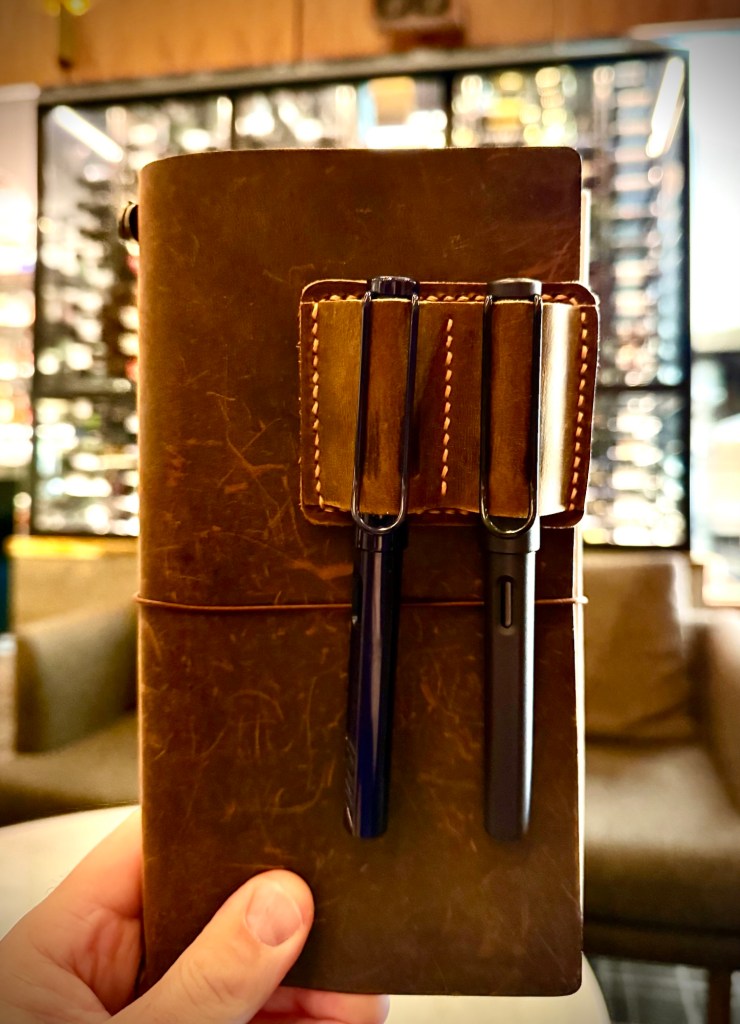
These habits won’t change the road, but they make it smoother. Instead of fighting against the cart, you create a life that rolls more easily, with less friction, and leaves you free to focus on what matters most.
The Closing Picture
The sun dips lower now. The cart rolls on. The horse flicks its tail, unbothered by your presence. And you—the little puppy—trot alongside, maybe a little dusty, maybe a little tired, but full of life. You can smell the evening air, hear the soft rattle of the wheels, and feel the world as it is: moving, always moving.
This road is your life. The cart will travel it with or without your joy. But imagine the journey if, instead of digging in, you simply run with it—ears up, heart open, tail wagging in the fading light.
Over two thousand years ago, in the streets of ancient Greece, Chrysippus, a forward‑thinking mind of his time, painted life in simple terms: we are the puppy, and the cart is life itself—fate, always moving forward. Pull, resist, dig in your heels, and you’ll only scrape your paws and fill your mouth with dust. Trot alongside with ease, and the road feels lighter, even if nothing about the journey changes.
He also observed that much of life is outside our control, and that fighting those forces only exhausts us. The weather changes, rosters shift, people come and go, and plans unravel. The cart rolls on regardless.
Our choice is simple: trot happily beside the cart with a light heart, or struggle against it and make the road heavier than it needs to be.
Join the discussion