

What is wealth?
Is it your bank balance? Your relationship status? The number of type ratings you’ve earned? The sectors you flew last month — or the total hours in your logbook?
We’re taught to measure success in totals, aren’t we? Total hours, total salary, total steps up the ladder toward the next role. But there’s another kind of wealth — one that’s rarely counted. It’s quieter, harder to display, but deeply felt. It doesn’t come from stacking up achievements or possessions. It comes from needing less. Wanting less. From learning to feel content with enough — not because you’ve given up, but because you’ve finally understood what truly matters.
Flying the Numbers
In aviation, precision matters. We log hours, track duty limits, monitor fuel flow, calculate weight and balance. Everything is documented. Many things are signed. It brings clarity. A sense of control. Progress. To be a professional pilot is, in part, to record things accurately — because it matters. Deeply.
But outside the cockpit… what are you logging?
Most of us are meticulous when it comes to professional development — yet vague, even neglectful, when it comes to personal growth. We can tell you our last sim grade or how many months until the next check, but struggle to remember the last time we reached out to a friend, did something kind without recognition, or simply sat still, undistracted, and fully present.
The danger isn’t ambition — it’s letting ambition consume everything else. Career milestones, unchecked, begin to crowd out personal ones. We begin to believe that what we do is who we are.
There’s nothing wrong with rank, money, or recognition. They’re part of the structure we operate in. But they don’t define our worth. They don’t measure character. Some thinkers have pointed out that many of the things we chase — wealth, titles, approval — are not good or bad in themselves. Their value depends on what we do with them, how we carry them, and whether they serve or distract us from what truly matters.
Indifferent, Not Irrelevant
There’s nothing wrong with aiming for the upgrade (you should), the better base, or a smoother roster. These things can absolutely make life more comfortable. But comfort and meaning are not the same thing.
Many of the things we pursue are what some philosophers call “indifferents.” Not because they don’t matter at all — but because they don’t touch the core of who we are. They’re neutral, shaped entirely by how we use them. A pay rise can fund generosity or inflate ego. A command can bring out calm, steady leadership — or unchecked arrogance. I’ve seen both. It’s remarkable what a bit of perceived power can do to some people.
The trouble starts when we mistake these things for the destination. When we believe we’ll finally feel settled once we hit that next milestone — only to find the bar has moved again. There’s always another aircraft, another position, another target to chase. It never ends… unless we choose to stop.
If your inner life is always waiting on your outer circumstances to improve, you may never feel truly rich — no matter what’s in the bank account or how many bars are on your epaulettes.
A Moment on the Taxiway
Last week, I was taxiing the B737 when Tower asked us to follow “the good-looking Metroliner” to the holding point. Knowing the Metro pilots would be listening, I read back the clearance and added, “We’ll follow… and yes, it is a good-looking Metro.”
A pause. Then someone else on frequency cut in:
“No it’s not.”
It made me smile — not because I disagreed, but because that old aircraft has a story in my life. I started my aviation journey on the Metro with Life Flight in Wellington. I loved flying it. Crude, fast, noisy — and deeply satisfying. I was proud to be part of that team. We worked hard. We mattered. It was real flying, and I look back on it with nothing but gratitude.
So that off-hand comment — “No it’s not” — made me smile… and reflect.
We often assume the best flying is always ahead of us. The next aircraft. The next command. The next base or pay band or logbook milestone. But sometimes, we need to pause and take stock of how far we’ve come. Not because we’ve reached the top — but because where we are is already worth appreciating.
The truth is, not every rung on the ladder leads higher. At some point, the real challenge isn’t to keep climbing — it’s to stop, breathe, and let yourself feel grounded in the present.
That’s where you and I are, after all. Not in some future role or rank. But right here, in this moment, as you read these words.

What Are You Really Logging?
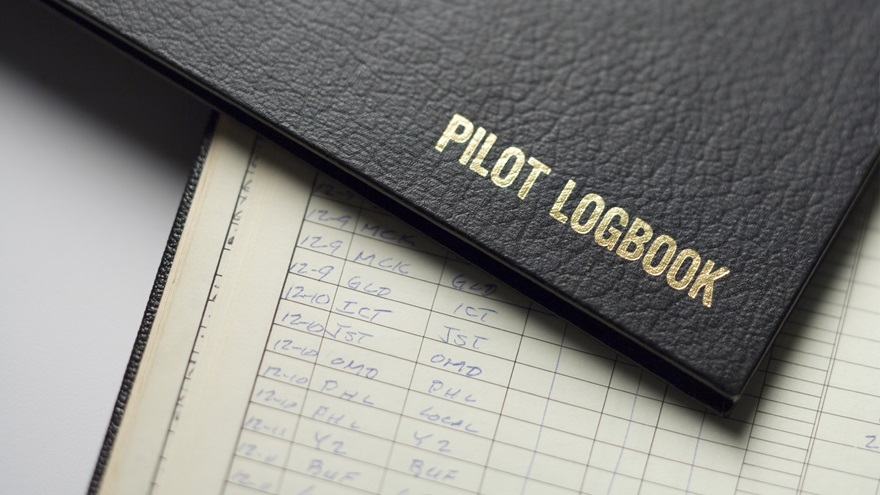
Our logbooks track flight time down to the minute. They’re reviewed, signed, audited — the official record of where we’ve been and what we’ve flown. But there’s no logbook for character. No column for kindness. No currency for presence.
We pour so much effort into becoming more capable pilots. And that’s good — it matters. But are we also becoming better people? More grounded? More patient? More aware of who we are beyond the job?
There’s nothing wrong with keeping score professionally. But the question is: Is that the only score you’re keeping?
You don’t need to stop logging flight hours — it’s a requirement, after all — just don’t forget to log the life ones, too. The quiet decisions. The small, human moments. The strength to do the right thing when no one’s watching. The grace to accept what you can’t control. These don’t show up in the paperwork. But they show up in who you are — and who you’re becoming.
Start Logging the Right Things
If your official logbook tracks where you’ve flown, maybe it’s time to start keeping a second one — the kind no one asks for but you.
This one won’t be checked by a flight examiner. There’s no format, no regulation. But it might just be the most important record you’ll ever keep.
Think about your actual logbook: it takes time and diligence to keep it up to date. You don’t fill it in once a year (or at least, you shouldn’t) — you chip away at it, little by little. The same goes for logging your life. Small entries, done consistently, matter far more than grand reflections saved for “someday.”
Here are a few simple ways to start logging what truly matters:
- Keep a one-line daily journal. Just one sentence a day: something you learned, a moment that moved you, or a reminder of who you want to be. (We explored this more in a previous article — worth revisiting.)
- Make a monthly “Stillness Log.” Take five minutes at the end of each month to ask: Where did I act with integrity? Where did I react from ego? What helped me stay grounded? Jot down a few notes — not for judgment, but for clarity.
- Start a “Kindness Ledger.”A small notebook or notes app where you quietly record acts of service or thoughtfulness — especially the ones no one noticed. Not to boast. Just to stay aware of the life you’re shaping.
- Leave voice notes to your future self. Use your phone’s recorder to capture a few words after a tough day, a meaningful moment, or a quiet realisation. Listen back in six months and see how far you’ve come.
- Create a “Values Checklist” for the week. Write down 3–5 values that matter to you (e.g. patience, honesty, presence). At week’s end, reflect: Did I live them? Where did I drift? It’s not about scoring yourself — it’s about recalibrating.
You don’t need to do all of these. Even one is enough to start noticing. Enough to shift your focus from chasing milestones to living with meaning.
Because in the end, the question isn’t just how many hours did you fly?
It’s who were you becoming while you flew them?
Wealth consists not in having great possessions, but in having few wants.
— Epictetus, c. 100 AD
Food for thought.
Join the discussion