
Pilots inherit a perspective that few have ever known
Ever noticed how the smallest things can sometimes take up the most space? A rushed comment. A weird vibe in the flight deck. A misread message from home. It hooks you — and then it loops. The more you replay it, the more it grows. But that intensity isn’t always clarity. Sometimes it’s just… proximity. You’re too close to it. And like any close-up shot, all the background fades away until there’s only the moment, the feeling, the reaction. We touched on this a little in our recent article: You’re Not Stuck—You’re Just Zoomed In
But the world doesn’t stop at the edge of your thought. From a step back — or a few thousand feet up — the sharpness of the moment softens. The detail is still there, but it sits inside something larger: a flow of events, people, and patterns that were moving long before you noticed them and will keep moving long after. What once felt like the centre begins to shrink, making space for everything else that matters.
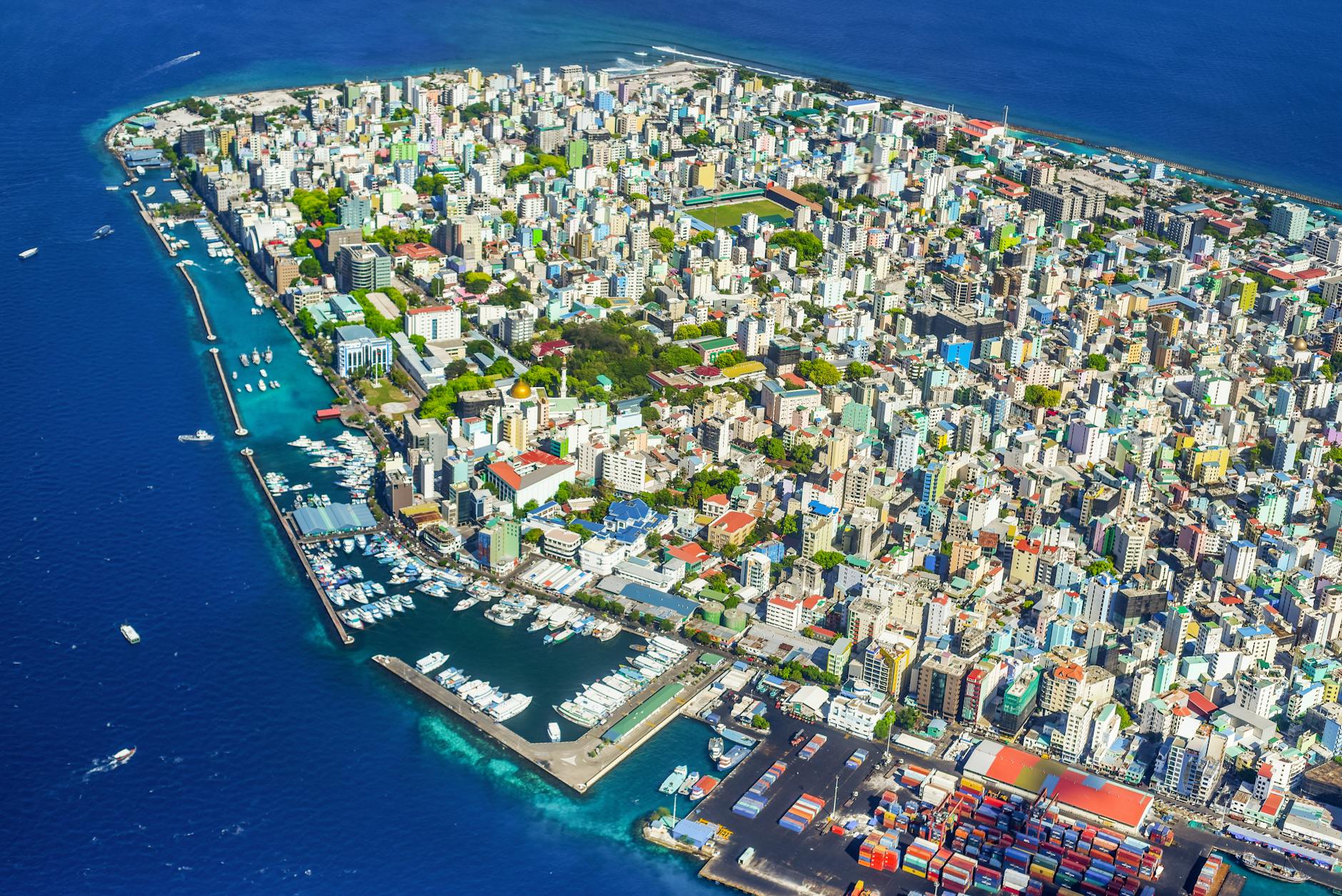
From altitude, that shift is obvious. Cities collapse into neat grids, traffic into moving dots, even storms into swirls of patterned motion. The world doesn’t vanish — it just arranges itself differently when seen from above. What once felt like chaos reveals itself as part of a larger design. Pilots see this every day. And the same distance we trust in the sky can be found in our thinking on the ground.
And here’s the real relief: you’re not at the centre of it all. The universe doesn’t orbit your worries, your mistakes, or your missed chances. It turns on its own, and we move with it. That might sound diminishing, but it’s actually freeing. If everything doesn’t rest on you, then you’re not crushed by the weight of every detail. You’re simply part of the movement — important, yes, but not carrying the sky on your shoulders.
It’s the same at home. When plans change, when a trip stretches longer than expected, it can feel like the disruption is aimed squarely at you. For partners and families, those shifts ripple through routines, dinners, milestones. But widening the frame helps here too. The frustration is real, but it isn’t personal. It’s part of a bigger pattern — one that includes shared goals, sacrifices, and the life you’re building together. Seeing it from above doesn’t erase the tension, but it puts it in context.
Have a Story to Share?
I’ve been hearing from pilots around the world about their setbacks, turning points, and the lessons they’ve taken from them. If you’ve faced a moment that taught you something valuable, I’d love to hear it. Your experience—shared without your name—could appear in a future Perspectives article and help another pilot navigate their own journey.
Email me at perspectives@pilotlife.com.au to share your story.
It’s worth pausing on just how rare this vantage point really is. For most of human history, the horizon was as far as anyone could see. The chance to look down on continents, coastlines, and whole weather systems simply didn’t exist. Today, pilots do it as part of the job — a perspective so privileged that perhaps only astronauts have seen more. Which makes it more than just a view; it’s a kind of inheritance. One we can either treat as routine, or learn to use as a reminder: the world is vast, connected, and moving with or without us.
As pilots, we get to carry that perspective home. Each climb to altitude — whether it’s 4,000 feet on a training flight or FL400 in the cruise on a scheduled run — is a chance to practice seeing the world differently. The view isn’t just a privilege; it’s a tool. A way of training yourself to step back when life feels too close, to remember that what looms largest in the moment is often just one small part of a much bigger picture.
Long before aircraft existed, early Greek thinkers practiced what they called the “view from above.” They would imagine themselves lifted high above the earth, looking down on people, towns, and armies reduced to tiny movements, seeing their own struggles shrink in scale. It was a way of reminding themselves that life is broader than the problem of the day, and that meaning isn’t found in being the centre, but in being part of the whole. That exercise has come down to us for centuries because it works — because perspective has always been medicine for the mind.
Today, we don’t need to imagine it. We live it. Every climb offers the same chance to step back, to see more, and to return to the ground with a clearer sense of where we stand. That inheritance is ours to use well — not just to fly better, but to live better.
Join the discussion